Compare HDPE vs LDPE Multilayer Tarpaulin
When you compare HDPE vs LDPE multilayer tarpaulin, the key difference lies in strength, flexibility, and long-term performance. HDPE multilayer tarpaulin is known for higher tensile strength, dimensional stability, and rugged behaviour in demanding outdoor conditions. LDPE multilayer tarpaulin offers better softness, flexibility, and easy handling where frequent folding, covering, and movement are required in day-to-day operations.
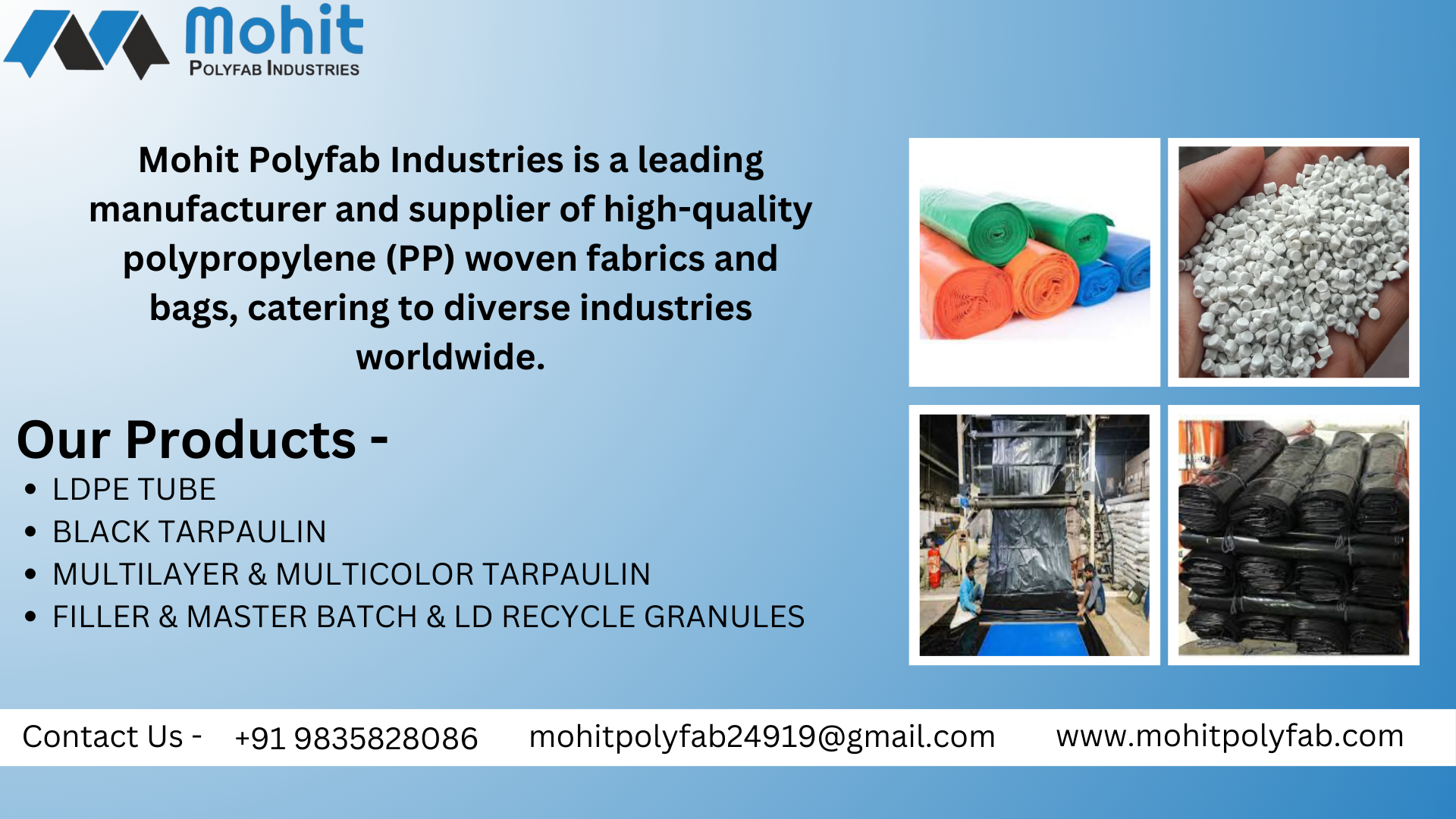
At Mohit Polyfab Industries, multilayer tarpaulin is engineered using carefully selected HDPE and LDPE grades to match the application. Whether you need rigid and long-lasting HDPE-based multilayer tarpaulin or smooth and flexible LDPE-based multilayer tarpaulin, the right combination helps protect crops, goods, and equipment against rain, sun, wind, and dust in Indian weather conditions.
Structure and Working of Multilayer HDPE and LDPE Tarpaulin
Multilayer tarpaulin is produced by combining woven or film layers of HDPE and LDPE through advanced extrusion coating technology. In HDPE multilayer tarpaulin, the core layer provides high mechanical strength, while outer layers are designed for abrasion resistance and UV stability. In LDPE multilayer tarpaulin, multiple flexible film layers are fused to deliver smooth surfaces and easy drape over uneven structures and loads.
During manufacturing, molten polymer is extruded and laminated onto woven fabric or film under controlled temperature and line speed. This multilayer structure ensures excellent waterproof performance, reliable bonding between layers, and resistance to cracking even under repeated folding. You can explore material options and layer combinations on the official Mohit Polyfab Industries website.
Types of Multilayer HDPE and LDPE Tarpaulin
- HDPE fabric-based multilayer tarpaulin for high strength truck covers and industrial sheds.
- LDPE film-based multilayer tarpaulin for smooth, flexible agricultural and household coverings.
- Hybrid HDPE–LDPE multilayer tarpaulin combining rigid strength and surface softness.
- UV-stabilized multilayer tarpaulin for long-term outdoor storage of machinery and stock.
- Printed multilayer tarpaulin for branding, identification, and organized material management.
Key Comparative Features: HDPE vs LDPE Multilayer Tarpaulin
- HDPE multilayer tarpaulin offers higher tear resistance and dimensional stability under load.
- LDPE multilayer tarpaulin provides superior softness, flexibility, and ease of folding and handling.
- Both HDPE and LDPE multilayer tarpaulin can be engineered for excellent waterproof performance.
- HDPE-based structures are preferred for heavy-duty logistics, while LDPE-based sheets suit light coverings.
- Custom GSM, thickness, and layer combinations can be selected to balance durability and flexibility.
Applications of HDPE and LDPE Multilayer Tarpaulin
- In agriculture, HDPE multilayer tarpaulin is used for long-term crop storage, shed roofing, and lining, while LDPE multilayer tarpaulin is used for short-term crop covers, nursery protection, and temporary shade structures.
- In transportation, HDPE multilayer tarpaulin safeguards goods on trucks, trailers, and containers, whereas LDPE multilayer tarpaulin works well for small vehicles, utility loads, and flexible side coverings.
- In construction, HDPE multilayer tarpaulin protects scaffolding, cement, and reinforcement steel, while LDPE multilayer tarpaulin is used as floor covers, curing sheets, and protection for finished surfaces.
- In warehouses and industries, HDPE multilayer tarpaulin is selected for heavy equipment and pallet covers, and LDPE multilayer tarpaulin is preferred for lightweight packaging, partitioning, and indoor protective barriers.
Benefits of Choosing the Right Multilayer Tarpaulin
- Correctly comparing HDPE vs LDPE multilayer tarpaulin helps you match the product to the load conditions, storage duration, and handling method, improving performance and reliability in the field.
- HDPE multilayer tarpaulin delivers stable coverage for demanding outdoor applications, supporting long-term protection in agriculture, infrastructure projects, and industrial yards.
- LDPE multilayer tarpaulin allows smooth draping over irregular shapes, reducing stress marks and making daily operations like opening, closing, and folding more convenient.
- By choosing the right multilayer tarpaulin from a trusted manufacturer, users experience fewer failures, improved safety of goods, and consistent quality across seasons and weather variations.
Why Mohit Polyfab Industries for Multilayer Tarpaulin Comparison and Supply
Mohit Polyfab Industries manufactures HDPE and LDPE multilayer tarpaulin with modern technology, controlled processes, and strict quality checks. The team helps customers understand the difference between HDPE and LDPE multilayer solutions and recommends the right grade for each application. Consistent fabric quality, proper lamination, and reliable eyelet and border finishing make every multilayer tarpaulin dependable for Indian agriculture, transport, and industry.
Maintenance and Handling Tips for Multilayer Tarpaulin
- Clean multilayer tarpaulin regularly with mild water spray to remove dust, mud, and chemical residues.
- Avoid dragging sheets over sharp edges or rough surfaces to maintain the integrity of the multilayer bond.
- Store tarpaulin in a cool, dry place away from direct ignition sources when not in use.
- Inspect eyelets, borders, and stitched or heat-sealed joints and repair any damage at an early stage.
- Use appropriate ropes, straps, or hooks to distribute stress uniformly and prevent localized tearing.
FAQs – Compare HDPE vs LDPE Multilayer Tarpaulin
Contact Details
Talk to our specialists today for tailored solutions and fast assistance.